
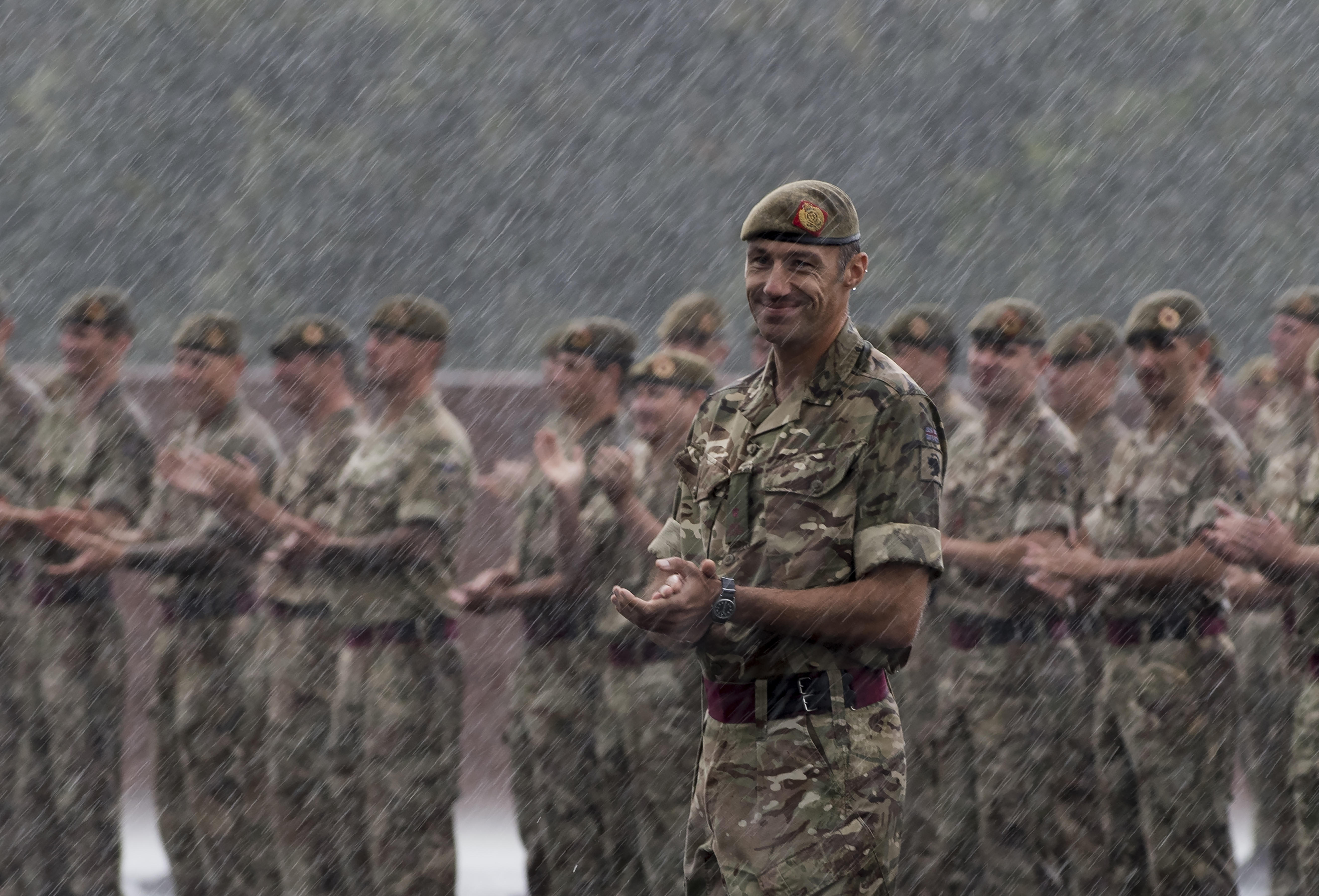
At Talent Locker, we've seen first-hand the value that former Armed Forces personnel bring to organisations across a wide range of sectors. Their leadership, adaptability, and ability to perform under pressure make them a strong asset to any employer.
Armed Forces Day is a great opportunity to celebrate their contribution and encourage more organisations to recognise the talent available within the veteran community.
I recently spoke with Luke Gilbertson, Head of Training at Coptrz to discuss his experience of hiring veterans and the unique benefits and skills they bring to an organisation. He shared his insights in the article below.
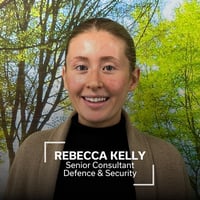
Rebecca Kelly, Lead Consultant Defence & Security
Can you tell us about your experience working with or hiring former Armed Forces personnel?
At Coptrz, we've got a real mix of ex-military people working within our training team a combination of British Army and Royal Marines Commando backgrounds. Working alongside ex-serving personnel takes a lot of pressure off me. I know that when I hand something over, they'll go away, get it done, and if they hit a problem along the way, they're resilient enough to find a solution rather than come straight back to me with one.
One of the best examples is the training team itself. All of our instructors are ex-military, and every one of them has gone on to become a genuinely competent, independent UAS instructor, operating to a really high standard. That doesn't happen by accident it comes down to how they were trained to learn, adapt, and take ownership long before they ever joined us.
What types of roles have veterans typically moved into within Coptrz and the wider drone industry?
Here at Coptrz, we currently have three veterans working within our training team. A big part of that comes down to the overlap in skills leading, teaching, mentoring, and being comfortable engaging with people you've never met before are all things they'd already built through their military careers. All three also had previous experience operating uncrewed aircraft systems while serving, which made the move from defence technology into the commercial drone sector that bit smoother.
Look more broadly across the industry and veterans turn up everywhere drone pilots, instructors, operations managers, safety specialists, consultants, business development. The transferable skills they bring from service line up well with how fast-paced and fast-changing this industry is.
Do you currently have any hiring, training or development initiatives at Coptrz that help service leavers transition into civilian careers?
At Coptrz, we're always looking at ways to develop pilots across the UK and make training and assessments more accessible nationwide. Part of how we do that is by bringing in experienced contractors to help us deliver training, assessments, and knowledge transfer in their own local areas. These roles matter as they help us extend our reach while making sure pilots get high-quality instruction and support wherever they're based in the country.
What do you think are the biggest strengths ex-military candidates bring into commercial or technical environments?
In my experience, the ex-military people I've hired are driven and focused on getting strong results. They work well together and look out for the best outcome for everyone involved, which I'd put down to the camaraderie that comes from military service. Whether they're working solo, in pairs, or as part of the wider team, they consistently bring ideas that improve how we do things and add more value for clients.
What is the most important lesson you've learned from working alongside veterans?
Aside from picking up far too much military lingo, the biggest lesson I've taken from working with veterans at Coptrz is how resourceful they are. Give them something unfamiliar to do and they'll go off, research it, learn it, and find a way to deliver. They're also properly adaptable. In this industry, plans change fast - weather, travel, you name it and they take it in their stride, make the best of a difficult situation, and stay positive about it.
What are some of the biggest misconceptions employers have about hiring veterans?
A common misconception is that veterans struggle to adapt to civilian workplaces, need constant direction, or are too direct for an office environment. In reality, it's the opposite. They're trained to be adaptable, proactive, and to make sound decisions under pressure. They're used to working in diverse teams, taking responsibility, and communicating clearly when it matters most. They might need a bit of time to adjust to a new industry or culture, but veterans bring leadership, resilience, accountability and problem-solving that's valuable in any workplace.
What challenges can veterans face when transitioning into civilian organisations, and how can employers support them?
From what I've seen, employers need to take the time to understand, relate to, and empathise with service leavers. People leave the forces for all sorts of reasons, so it's worth understanding their circumstances and what they actually need. Clear communication and the right support go a long way in helping veterans perform well, both in the job and personally.
Looking ahead, what opportunities do you see for veterans in emerging industries such as drones, robotics and advanced technologies?
From a UAS industry point of view, growth is happening right across the sector, and that means opportunities for veterans in training, sales, maintenance and management. You don't need a background in unmanned aircraft systems to get into it veterans already bring the determination, adaptability and practical skills to pick up new systems, workflows and environments quickly. They can add value at every level of a business.
What advice would you give to companies looking to hire more ex-military talent?
Hiring veterans is a strong investment for any business. If your organisation's values line up with what's built through military service, you'll naturally attract people who are disciplined, adaptable and dependable. In my experience, bringing veterans into a team strengthens and diversifies it. They bring practical experience, specialist knowledge and real-world skills from their training, and they're focused on getting the job done efficiently, without disrupting everything else going on around them.
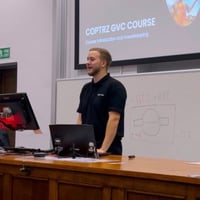
Luke Gilbertson, Head of Training at Coptrz
Luke Gilbertson is Head of Training at Coptrz and a qualified GVC remote pilot, UAS instructor and technician. With experience delivering drone training and supporting UAS operations, he has developed strong expertise in CAA regulations, drone technology and operational planning. Passionate about the evolving drone industry, Luke is dedicated to developing future talent and helping organisations maximise the potential of UAS technology.
Looking to attract veteran talent and build a more inclusive workforce?
Get in touch with Rebecca Kelly, our Lead Consultant, to discover how your organisation can attract veterans, improve hiring outcomes, and create an onboarding experience that helps new hires thrive from day one.
About Armed Forces Day:
Held on the last Saturday of June each year, Armed Forces Day is a national opportunity to recognise and celebrate the contribution of the Armed Forces community, including serving personnel, reservists, veterans, cadets, and military families.
The day marks the culmination of Armed Forces Week, a nationwide celebration that highlights the dedication, professionalism, and sacrifices of those who serve or have served. Throughout the week, communities, businesses, and organisations come together to show their support and appreciation, with events taking place across the UK.
Armed Forces Week also includes Reserves Day, which recognises the vital role played by reservists who balance civilian careers with military service.
At Talent Locker, Armed Forces Day is an opportunity to recognise the valuable skills, leadership, resilience, and adaptability that veterans bring to the workplace and to encourage more organisations to tap into this exceptional talent pool.